
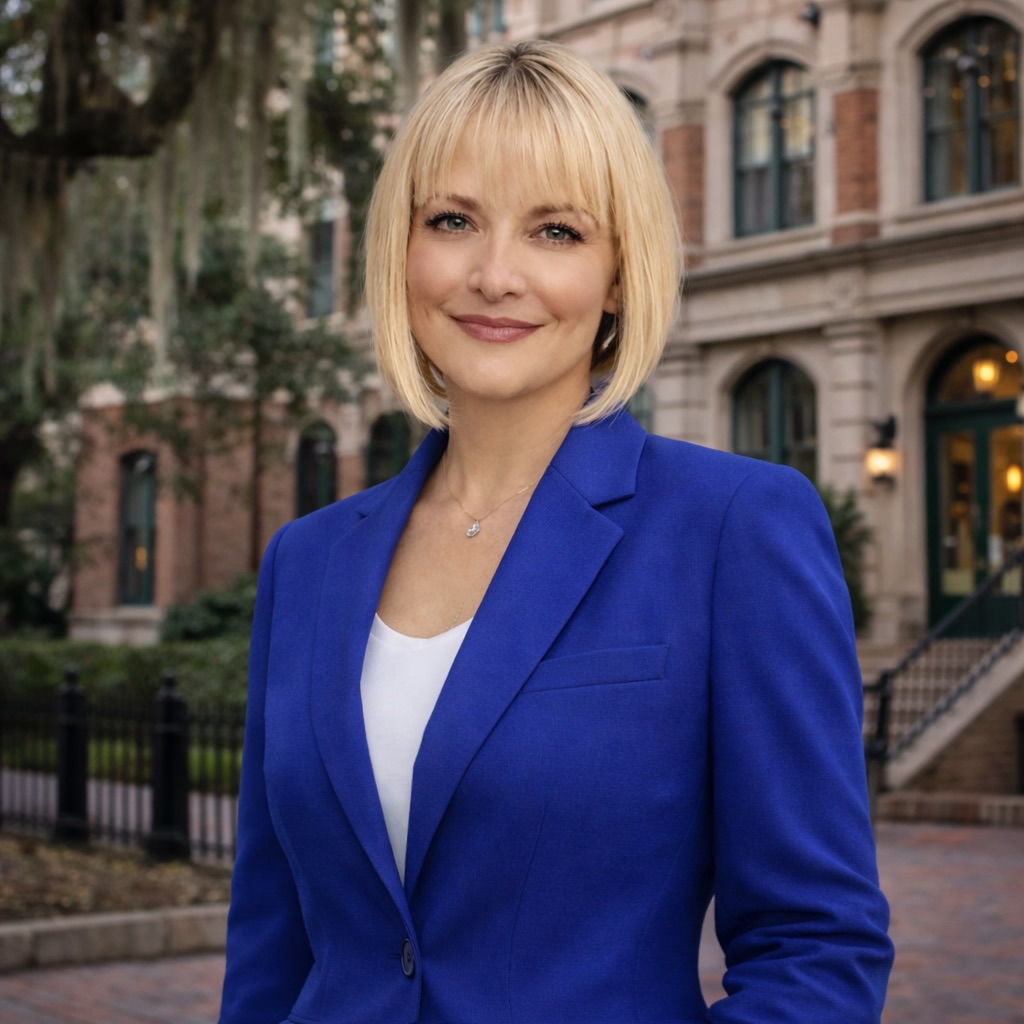

Nestled beneath the gracious canopy of southern live oaks and the timeless allure of Spanish moss, Savannah’s South Historic District weaves a story of resilience, renaissance, and deep-rooted Southern charm. While the city’s Historic District is renowned for its famed squares and colonial layout, the “South Historic District”—stretching southward from Liberty Street toward Park Avenue—offers its own unique tapestry of history, architectural gems, and enduring community spirit. For longtime residents and curious visitors alike, this neighborhood represents both a living museum and a cherished home.
The Origins: From Expansion to Integration
Savannah was founded in 1733 by James Oglethorpe with a unique grid of public squares and wide, tree-lined streets. For a century, the city’s core remained tightly bound around the river. But as commerce, culture, and population flourished in the 19th century, expansion was inevitable. The lands south of Liberty Street—once open fields and estates dotted with pastures—began to urbanize as demand for new homes, churches, and businesses rose after the Civil War.
The area became known as the “South Historic District” due to its location immediately south of the original 18th-century blocks. It marked the city’s first major residential and institutional growth beyond its founding grid, eventually being embraced as an essential part of Savannah’s greater Historic District, recognized by the National Register of Historic Places.
A Neighborhood by Many Names
Locals often refer to the area simply as “South Historic” or “South of Forsyth,” owing to its proximity to Forsyth Park—the city’s veritable “Central Park” and one of Savannah’s most photographed landmarks. The district encompasses bustling corridors like Bull Street, Abercorn Street, and Drayton Street, where antebellum mansions stand harmoniously alongside Queen Anne and Victorian row houses.
This stretch came to represent Savannah’s emergence into the modern era, bridging the Old Southern traditions with the vibrant Renaissance of the late 19th and early 20th centuries. Here, neighborhood streets such as Gaston, Park Avenue, and Whitaker evolved into iconic addresses, their names echoing the aspirations of generations past.
Milestones: Triumphs and Transformations
Throughout its life, the South Historic District has been a canvas for pivotal moments in Savannah’s—and the South’s—story:
- Postbellum Development: After the Civil War, the neighborhood became a beacon for prosperity as industrious merchants and newly freed families sought to realize their dreams. Row houses, duplexes, and stately single-family homes sprang up, displaying a mix of Italianate brackets, Gothic peaks, and neoclassical columns.
- Institutional Heartbeat: Landmarks such as the Massie Heritage Center (formerly a 19th-century school on East Gordon Street) and the First African Baptist Church on Abercorn anchor the community’s educational and spiritual legacy.
- Forsyth Park Expansion: In the 1850s, Forsyth Park was established and soon became the heart of neighborhood life—a gathering place, parade ground, and natural refuge for city-dwellers. Its striking fountain, added in 1858, remains one of Savannah’s most beloved photo-ops.
- 20th Century Changes: During the early to mid-1900s, the district weathered both decline and renewal. While suburban flight led some homes to fall into disrepair, the area’s architectural heritage eventually sparked revitalization efforts by preservationists and local advocates.
Notable Landmarks & Treasures
The South Historic District is home to some of Savannah’s most celebrated sites. Walking these storied streets, you’ll find:
- Forsyth Park: The district’s emerald centerpiece covers 30 acres and boasts a famed cast-iron fountain, fragrant gardens, playgrounds, and a fragrant Fragrant Garden for the blind. Locals still gather here on Saturdays for the farmer’s market, yoga, or outdoor concerts.
- Candler Hospital: The oldest hospital in Georgia, founded in 1804 (the building at 5353 Reynolds Street, although its legacy touches the district), highlights the area’s role in health and healing.
- Victorian Row Houses: Along Hall, Huntington, and Gaston Streets, marvel at colorful Queen Anne houses with ornate trim, wrap-around porches, and stained glass.
- Massie Heritage Center: Once Savannah’s first public school for white children (opened in 1856), it now welcomes all as a museum dedicated to the city’s multicultural story.
- Armstrong Mansion: The former home to Armstrong College at 447 Bull Street, this stately building now serves as an event venue, its grandeur a reminder of Savannah's educational ambitions.
Neighborhood Evolution: Enduring Heritage
Over the decades, the South Historic District has evolved from a symbol of outward growth to a model of sustainable preservation. During the 1970s and 1980s, as appreciation for Savannah’s historic character gained momentum, locals and newcomers joined forces to restore once-neglected homes. Today, many properties gleam anew, thanks to careful rehabilitation and the city’s robust incentives for historic preservation.
The neighborhood now balances old and new. Boutique hotels and creative eateries—like those along Whitaker and Park—mesh seamlessly with family-owned shops and cozy bed-and-breakfasts. Savannah College of Art and Design (SCAD) has played a vital role in breathing new life into historic properties, nurturing a young, creative energy alongside multi-generational residents.
The Spirit of the South Historic District
What makes the South Historic District truly special, though, isn’t just its enchanting streetscapes or historic landmarks—it’s the sense of belonging that permeates every block. Neighbors greet each other during evening strolls, children play under moss-draped branches, and annual events like the Savannah Jazz Festival turn Forsyth Park into a joyous celebration of community spirit.
Despite decades of change, one truth endures: The South Historic District embodies what makes Savannah timeless—a rare blend of history, elegance, neighborliness, and promise for the future.
If you ever find yourself wandering under the shade of those ancient oaks, pause for a moment. Listen to the echoes of the past. Know that you’re walking in the footsteps of countless dreamers who dared to imagine a new beginning—right here “south of Forsyth,” in a place where history lives on in every brick, garden, and smile.